
The Best Time to Visit Killarney National Park, Month by Month
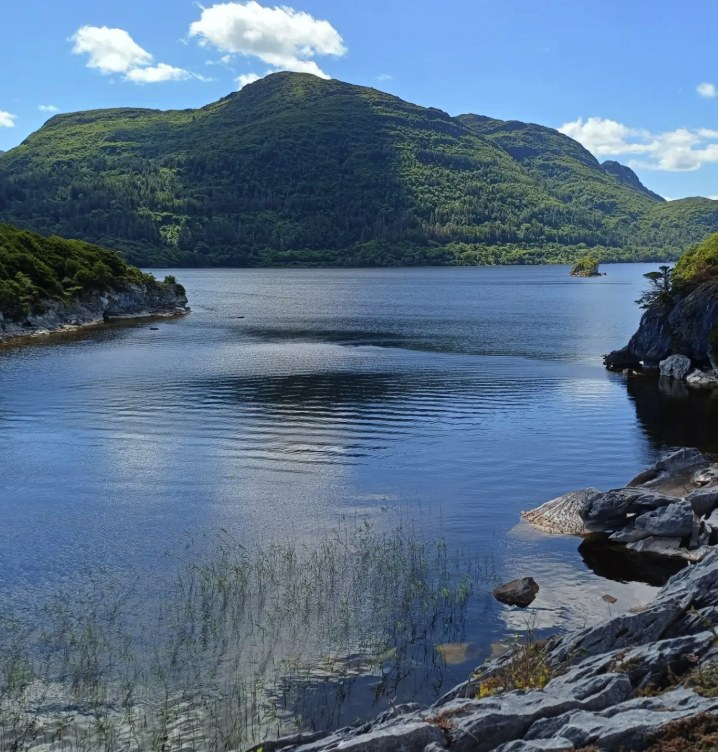
Killarney National Park never closes and never charges, so no month is off the table — but three attractions inside it have seasons, and the light, the crowds and the deer all move through the year. Here is what each month changes, and when to book ahead.
In this guide
- What is the best month to visit?
- What is actually open, month by month?
- Month by month, at a glance
- When is it busiest, and does it matter?
- When do the tours sell out?
- How wet is it, honestly?
- Is it worth coming in winter?
- When is the deer rut?
- What changes at Easter and on bank holidays?
- What does the season do to a tour?
- When is the light best?
- Which month suits which kind of trip?
- Are the shoulder months a compromise?
- Anything to watch for?
What is the best month to visit?
May and June, if the light and the flowers are what you are after. September and October, if you want the oakwoods turning and the red deer rut. Those four months are the ones with the fewest compromises attached.
July and August are the busiest and the warmest, and everything is open. January and February are the emptiest, the greenest and the wettest, and half the ticketed sites are shut. None of that makes any month wrong; it makes them different purchases.
What is actually open, month by month?
Three things inside the park have seasons, and only three. The park, the gardens, the woods, the friary, the waterfall and every trail are open all year, day and night, at no charge.
| What | When it is open | The catch |
|---|---|---|
| The park, trails, friary, waterfall | All year, 24 hours | None |
| Killarney House gardens | 08:00–18:00 | The house closes 13:00–14:00 |
| Muckross House | All year, from 09:15 | Closes 17:30 in winter, 19:00 in July and August |
| Muckross Traditional Farms | Mid-March to October | Closed November to February; weekends only in spring and autumn |
| Ross Castle interior | 5 March to 3 November 2026 | Guided only, capped at fifteen, last tour 16:55 |
Farms hours run 13:00–18:00 in the shoulder months and 10:00–18:00 daily through June, July and August.
Month by month, at a glance
Crowds, weather and light through the year, with what each part of the season is good for. Wildlife has its own calendar on the flora and fauna page.
| Season | Crowds | Weather to expect | Light | Book ahead? |
|---|---|---|---|---|
| January–February | Empty | Wet, mild, green | Short days, gone by mid-afternoon | No |
| March–April | Building | Changeable, first leaf | Lengthening fast | A day or two |
| May–June | Steady | The driest stretch, longest light | Light until late | A few days in June |
| July–August | Busiest | Warmest, midges at dusk | Long, often hazy | Yes, several days |
| September–October | Easing | Settled spells, the rut, colour | Low and good | A day or two |
| November–December | Quiet | Wet, bare canopy, long views | Short | No |
Kerry weather changes inside an hour in any month. Plan the day, not the forecast.
When is it busiest, and does it matter?
July and August, and mid-morning is the pinch. The Muckross car and coach parks fill from around eleven, and the peninsula coaches reach Ladies’ View and Torc in the middle of the day because that is where those stops fall on the loop.
It matters less than at most attractions, because the park is 25,425 acres and the crowd is concentrated in about four car parks. Walk fifteen minutes from any of them and the pressure disappears. Early starts and late afternoons are quiet even in August.
When do the tours sell out?
The morning slots on the traps go first, in July and August. The horseback rides and the Ring of Kerry coach days are worth several days’ notice through the summer, because both run limited departures and fill from the accommodation in town.
Outside June to September you can often book the same day. Every listed departure refunds in full up to twenty-four hours ahead, so booking early costs nothing but a decision.
How wet is it, honestly?
Wet enough that the woods are the colour they are. This is the western edge of Ireland with mountains behind it, and rain is a feature of the place rather than an interruption to it. There is no dry season, only a drier stretch in late spring.
Plan around it rather than for it. The traps are covered and run in rain, the waterfall is better for it, and the moss under the oaks is at its deepest in the wettest months. What rain takes away is the long view from the high road.
Is it worth coming in winter?
For the ground, yes, and for the emptiness. The trails are yours, the bare canopy opens up views that summer hides, and the park never closes. Torc and the Old Kenmare Road in January are as good as this place gets if you like your landscape unpeopled.
For the buildings, no. The Traditional Farms are shut from November to February and the interior of Ross Castle from early November. Come in winter for the woods and the water, and do not build the day around a ticket.
When is the deer rut?
September and October, when the stags are at their most vocal and most visible on the open ground at Knockreer and Muckross. This is the last surviving indigenous herd of red deer in Ireland, present here since Neolithic times, and every other Irish herd descends from reintroduced Scottish stock.
Stags reach 220 kg and hinds up to 110 kg. Keep well back during the rut, on foot or on horseback — an animal that size in autumn is not one to approach for a photograph.
What changes at Easter and on bank holidays?
The Traditional Farms is the one to watch. It opens on weekends from mid-March, then on weekends and bank holidays through April and October, before going daily in May. So an Easter Monday works and the Tuesday after it may not.
Everywhere else the pattern is simpler: Muckross House keeps its ordinary hours, Ross Castle runs daily once its season opens on 5 March, and the park does what it always does, which is nothing at all. Bank holiday weekends fill the car parks early, so arrive before eleven or walk in from town.
What does the season do to a tour?
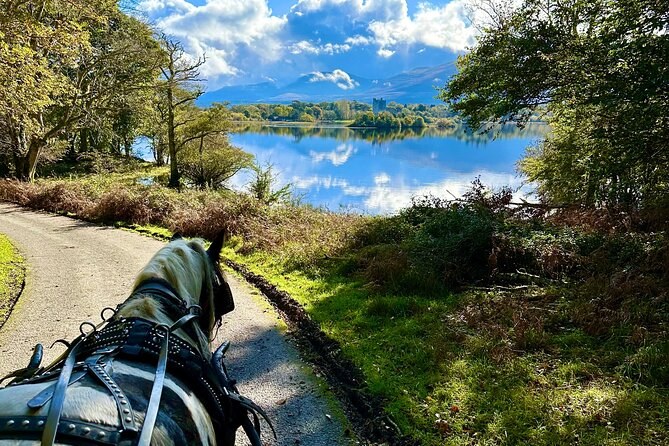
Winter suits the traps. They are covered, blankets are on the seat, and an hour under bare oaks with the lake showing through is a different and quieter thing from the same hour in August. Same fare, a third of the traffic.
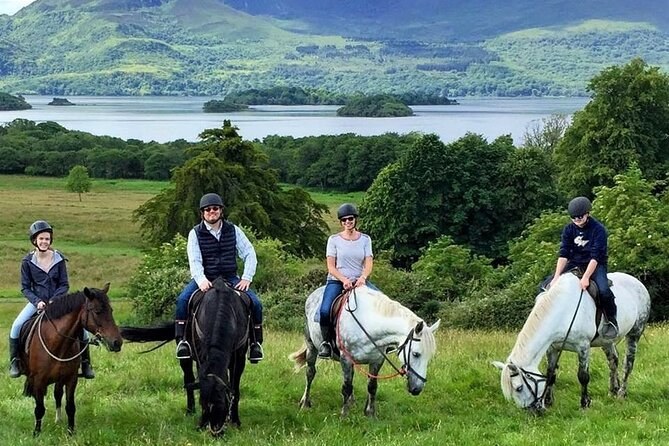
Summer suits the rides, but early in the day. A morning departure gets you cool air, the deer still out on the open ground, and the paths before the walkers reach them. By mid-afternoon in July the estate roads are busy and the midges are thinking about the evening.
The coach days are the most seasonal of the lot. A peninsula loop in low cloud spends its scenic stops looking at weather, so if your dates are flexible, keep the Ring of Kerry for the clearest day of your trip and give the wet one to the woods.
When is the light best?
Low and late in the year. September and October give the long shadows across Lough Leane and the oakwoods turning at the same time, which is the combination photographers come for. November and December strip the canopy and open the long views from the ridges.
In midsummer the light lasts until late but flattens in the middle of the day, and haze sits on the Reeks. Early morning is the answer in any month, and it is also when the deer are out.
Which month suits which kind of trip?
- A first visit with everything open: May, June or September. Long light, all three ticketed sites running, and the coaches not yet at their peak.
- Walking: April to October for the ground, though the strenuous routes are best in the settled spells of late spring and early autumn.
- Wildlife: September and October for the rut, spring for calving and birdsong.
- With young children: June to August, when the Traditional Farms run daily from 10:00 and the weather cooperates most often.
- Quiet: November to February. Nothing to book, nobody about, and half the buildings shut.
Are the shoulder months a compromise?
Less than at most attractions, because the thing you came for does not have a season. The woods, the lakes, the trails and the friary are the same in April as in July, and the crowds are not.
What the shoulder months cost you is a little certainty. March and April can hand you a week of clear light or a week of rain, the Traditional Farms are weekends-only until May, and Ross Castle’s interior does not open until 5 March. October is the same in reverse.
For a visitor whose plan is the park itself rather than the buildings, April and October are arguably the best value of the year: everything open that matters, nothing booked out, and the car parks half empty at eleven in the morning.
Anything to watch for?
Midges at dusk in July and August, particularly near still water and under trees on a windless evening. They are a nuisance rather than a problem, and a breeze clears them.
The other one is daylight in December. The short days end early enough that a late-afternoon walk on the wooded trails runs out of light faster than the map suggests. Carry a torch or plan to be back by mid-afternoon.
Questions people ask before they book
What is the best time of year to visit Killarney National Park?
May and June for the light and the flowers, September and October for the deer rut and the oakwoods turning. July and August are the warmest and the busiest. The park itself is open every day of the year, at any hour, for nothing.
Is Killarney National Park open in winter?
Yes, all of it, all the time. The Traditional Farms close from November to February and the interior of Ross Castle from early November, but the park, the trails, the gardens, the friary and the waterfall stay open and free through the winter.
What month has the fewest crowds?
January and February by a distance, followed by November and December. The trails are empty, the canopy is bare and the long views open up. Half the ticketed attractions are shut, so come for the ground rather than the buildings.
When can you see the red deer rut?
September and October, on the open ground at Knockreer and Muckross, and most often early in the morning. Keep well back: stags reach 220 kg and are at their most unpredictable during the rut.
Does it rain all the time in Killarney?
It rains in every month, which is why the oakwoods and the moss look the way they do. Late spring is the driest stretch. The horse-drawn tours run in rain and are covered, so a wet forecast does not cancel a day here.
How far ahead should you book a tour?
Several days in July and August, especially for a morning slot or a horseback ride. A day or two in the shoulder months, and often nothing at all between November and March. Free cancellation up to twenty-four hours ahead makes early booking cheap.
Tours that fit this trip
A covered carriage for the wet months, the high road for the autumn colour, and three hours in the saddle for the rut.
Once the month is settled, how long you need sets out what fits into it, and which tour to book compares the formats. What lives here through the year is on the flora and fauna page. Fares and dates: Killarney National Park Tours.